Sustainability in housing is often discussed in broad terms — energy efficiency, solar panels, or reduced square footage. But the deeper conversation is starting to shift.
It’s no longer just about how a home operates once it’s built. It’s about how it’s made in the first place.
At Mytikas, that idea sits at the center of the process. The goal isn’t simply to build smaller homes. It’s to build better systems — ones that consider materials, manufacturing, durability, and long-term environmental impact from the ground up.

Starting With Materials That Make Sense
Most residential construction in the U.S. still relies heavily on wood framing. While familiar, it comes with trade-offs — particularly when it comes to deforestation, material waste, and long-term durability.
Mytikas takes a different approach by starting with recycled, American-made steel.
Using steel changes the equation in a few important ways. It reduces reliance on harvested lumber and supports a material stream that is already part of a circular economy. Steel can be recycled repeatedly without losing its structural properties, which makes it one of the more sustainable building materials available at scale.
It also introduces consistency. Unlike wood, steel doesn’t warp, shrink, or degrade due to moisture or pests. That stability plays a role not only in performance, but in how long a structure can remain in service without requiring major repairs or replacement.
From a sustainability standpoint, longevity matters. The longer a structure lasts, the fewer resources are required over time.
Reducing Waste Through Precision Manufacturing
Material choice is only part of the equation. How those materials are used is equally important. Mytikas integrates advanced extrusion and roll-forming technology — including high-precision systems capable of producing steel components to within fractions of a millimeter. This level of accuracy allows components to be manufactured exactly as designed, without excess cutting or adjustment.
In traditional construction, material waste is often accepted as part of the process. Off-cuts, over-ordering, and on-site modifications can add up quickly.
With precision manufacturing, that waste is significantly reduced.
Steel components are formed to exact lengths, pre-engineered for assembly, and produced in a controlled environment. The result is a process that generates minimal material loss and avoids many of the inefficiencies associated with site-built construction.
Sustainability, in this case, isn’t an added feature. It’s a byproduct of building with more control and intention.

Designing for Durability, Not Replacement
One of the less visible aspects of sustainable construction is how often a structure needs to be repaired, renovated, or replaced. Materials that degrade quickly require more resources over time — more labor, more materials, and more energy. In contrast, durable systems extend the life cycle of a building and reduce cumulative impact.
Steel-framed tiny homes are designed with that long-term perspective in mind. Because steel resists moisture, pests, and fire, it tends to maintain its structural integrity over longer periods. That reduces the likelihood of major structural repairs and helps preserve the condition of interior finishes.
In climates with significant variation — including heat, cold, and snow — that resilience becomes even more important. Structures that can adapt to environmental stress without degradation contribute to a more sustainable built environment overall.
Smaller Footprint, Broader Impact
The size of a home also plays a role in sustainability, but it’s only part of the story. Tiny homes inherently reduce resource consumption by requiring fewer materials to build and less energy to operate. However, smaller size alone doesn’t guarantee sustainability. The quality of materials and construction methods still matter.
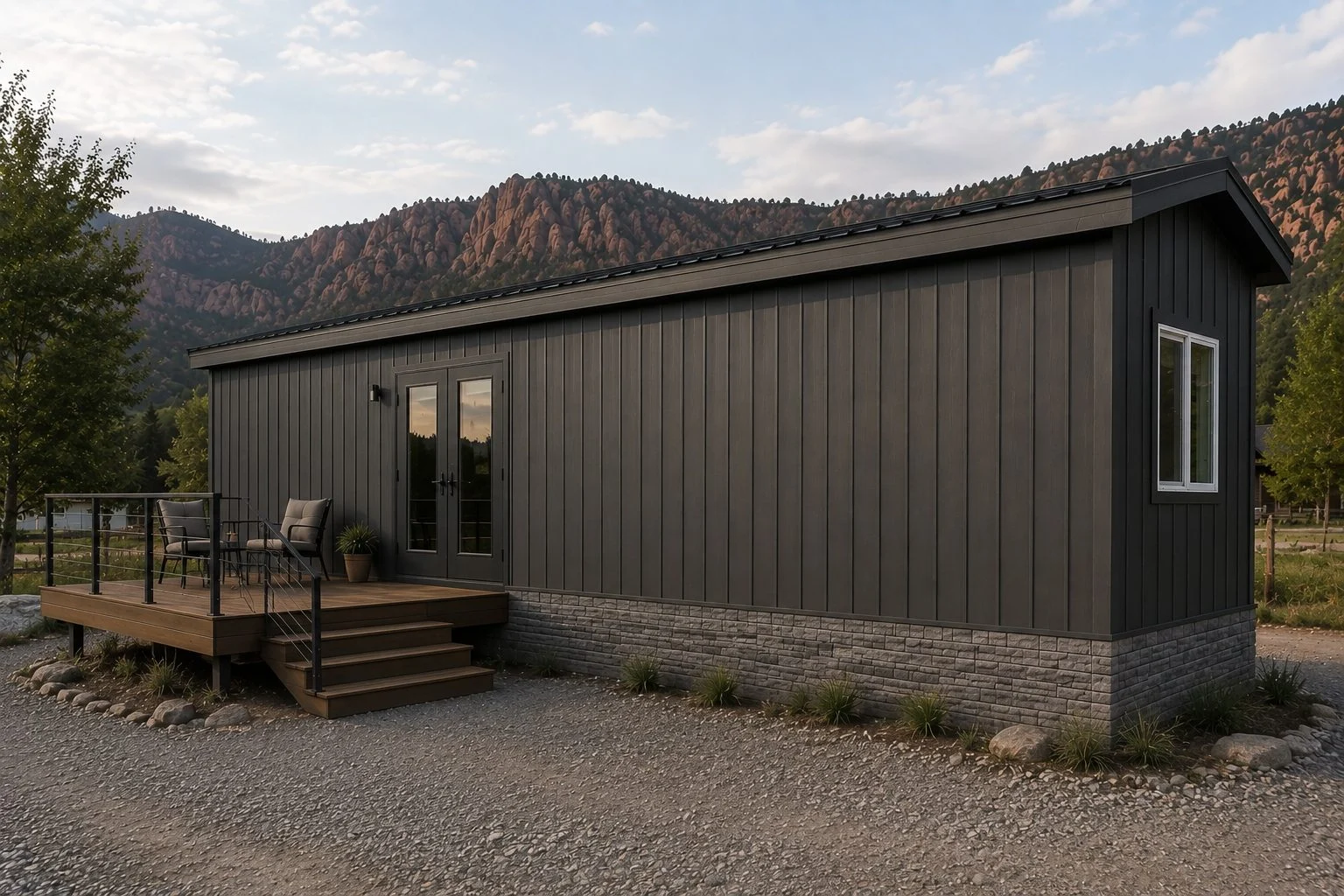
Mytikas tiny homes combine a smaller footprint with durable materials and efficient manufacturing processes. This creates a structure that uses fewer resources upfront while also maintaining performance over time.
For individuals, that can mean lower energy use and reduced maintenance.
For developers and communities, it can support more efficient land use and infrastructure planning.
Building in a Controlled Environment
Another factor that often goes overlooked is where homes are built. Factory-based construction allows for tighter control over materials, processes, and quality. Weather delays are minimized, material exposure is reduced, and workflows can be optimized for efficiency.
For Mytikas, this approach supports both sustainability and consistency.
By manufacturing components in a controlled setting, the company can reduce waste, improve precision, and ensure that each unit meets the same performance standards. It also allows for better resource management, from raw materials to energy use within the facility.
This shift toward controlled manufacturing is part of a broader trend in housing — one that emphasizes efficiency, repeatability, and reduced environmental impact.
Sustainability Beyond the Structure
While materials and manufacturing are critical, sustainability also involves how homes fit into larger systems.
Mytikas tiny homes are designed to work in a variety of settings, including:
- Workforce housing
- Rural and mountain communities
- Hospitality and destination properties
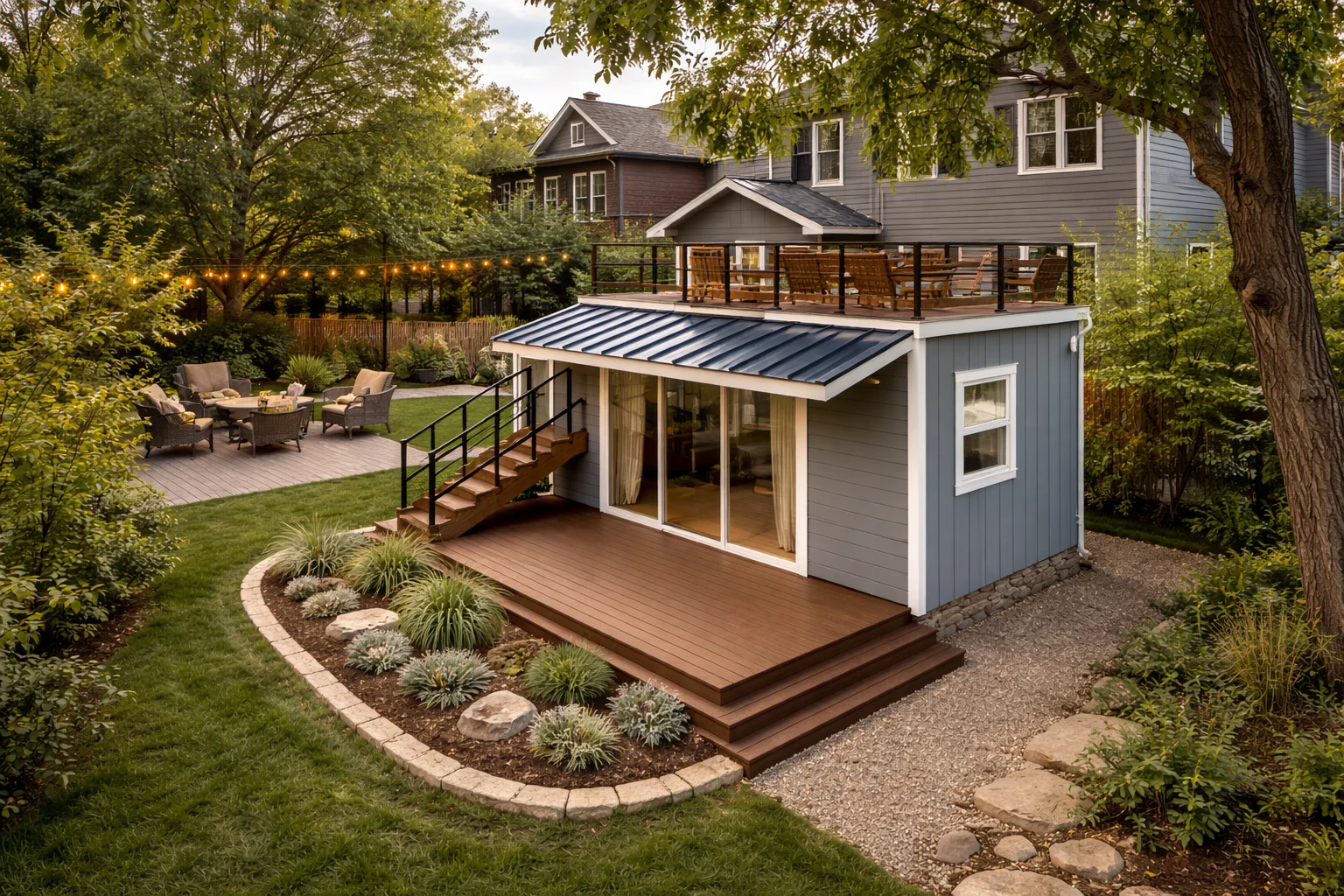
- Accessory dwelling units (ADUs)
In each of these contexts, smaller, durable housing can help address broader challenges — from housing shortages to land use constraints.
When homes are designed to last and built with fewer resources, they become part of a more resilient housing ecosystem.
A Long-Term Perspective
Sustainability is often framed as a set of features — energy-efficient appliances, renewable energy systems, or green certifications. Those elements are important, but they represent only part of the picture.
A more complete approach looks at the entire lifecycle of a home:
- Where materials come from
- How they are manufactured
- How the structure performs over time
- What happens at the end of its lifespan
Mytikas approaches sustainability through that broader lens.
By combining recycled steel, precision manufacturing, and durable design, the goal is to create housing that places fewer demands on the environment — not just at the beginning, but throughout its entire lifecycle.
Building Toward a More Responsible Future
The housing industry is at a turning point. Demand is increasing, resources are under pressure, and expectations around environmental responsibility are rising.
Meeting those challenges requires more than incremental changes. It requires rethinking how homes are designed and built.
Mytikas’ approach reflects one possible direction — one that prioritizes material efficiency, structural longevity, and thoughtful manufacturing.
Each decision, from the choice of steel to the use of advanced fabrication technology, contributes to a larger goal: creating housing that supports both people and the environment.
Because building sustainably isn’t a single feature or certification.
It’s a series of choices — made consistently, over time — that shape the impact of every structure.
And in that sense, every home becomes part of a broader effort to build a more resilient and responsible future.