
Steel-Framed Tiny Homes Built for Scale
The tiny home market has matured. What was once considered a niche lifestyle movement is now part of serious discussions around real estate development, hospitality expansion, and workforce housing.
As the sector evolves, so do the expectations. Developers and investors are no longer focused solely on aesthetics or novelty. They want to understand durability, lifecycle costs, scalability, and climate performance. They want structures that function as long-term assets, not short-term solutions.
That shift in perspective is one reason steel-framed tiny homes are gaining attention.
Why Framing Material Matters More Than Ever
In traditional residential construction, wood framing remains the default. It’s familiar and widely available. But in small-footprint housing deployed at scale — particularly in mountain regions, resort markets, or workforce communities — material performance becomes more critical.
Cold-formed steel framing offers structural consistency that wood simply cannot. Steel does not absorb moisture, warp with humidity changes, or attract insects. It maintains its dimensional stability across seasons, which reduces long-term settling issues and structural adjustments.
In climates like Colorado and throughout the Mountain West, where snow loads, temperature swings, and wildfire risks are part of the equation, that stability becomes a practical advantage rather than a theoretical one.
For investors purchasing park model homes or modular tiny homes in volume, durability directly affects maintenance schedules, operating costs, and asset lifespan.
How Steel-Framed Tiny Homes Are Manufactured
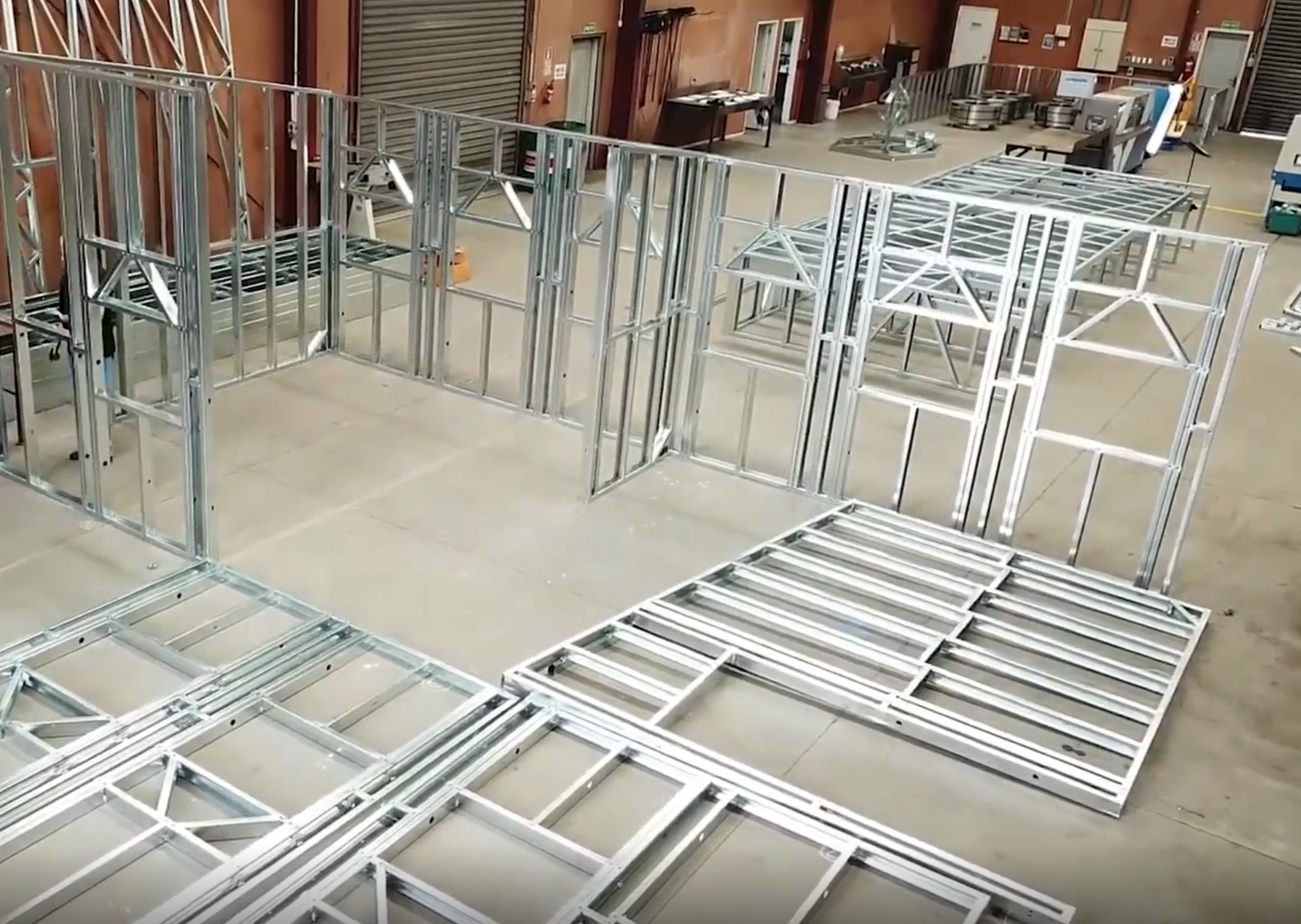
Steel-framed tiny homes are typically produced using roll-forming technology. Structural components are precision-cut and pre-drilled before assembly, creating tight tolerances and consistent results across units.
Because the process occurs in a controlled manufacturing environment, variability is reduced. Walls are straighter. Connections are more precise. Material waste is minimized.
For developers managing multi-unit projects, that consistency matters. When units are repeatable, installation timelines become more predictable. Inspection processes are streamlined. Maintenance teams work with standardized systems instead of one-off construction variations.
This level of repeatability is particularly valuable in hospitality and destination real estate, where brand consistency and operational efficiency are priorities.
The Long-Term Cost Conversation
Construction decisions are often driven by upfront costs. However, real estate performance is measured over decades, not months.
While wood framing may offer lower initial material pricing, it can introduce ongoing variables in environments exposed to moisture, freeze-thaw cycles, or high occupancy turnover. Over time, these variables can translate into increased repair frequency and structural adjustments.
Steel framing shifts that equation. Because it is non-combustible, pest-resistant, and dimensionally stable, it reduces several long-term risk factors. For resort operators or workforce housing providers, fewer structural maintenance issues mean fewer disruptions and more predictable budgeting.
Lifecycle cost analysis increasingly favors materials that extend asset longevity, particularly when units are deployed at scale.
Hospitality and Destination Development
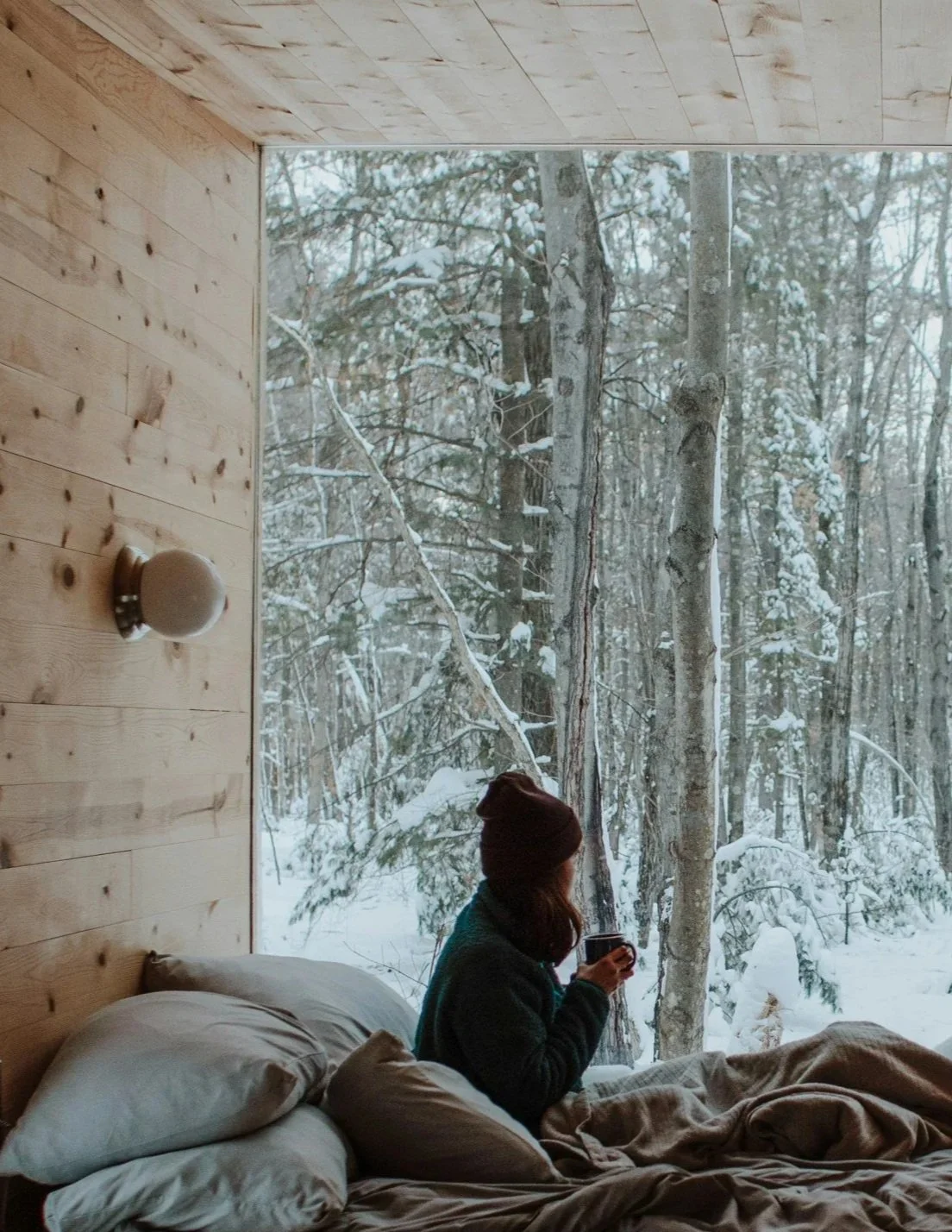
In the hospitality sector, tiny homes and park model units are becoming a strategic expansion tool. Guests are seeking private accommodations that feel connected to nature without sacrificing comfort.
From an operational standpoint, properties need structures that can handle consistent occupancy while maintaining visual appeal and structural integrity.
Steel framing provides a stable foundation, while interior finishes and architectural design shape the guest experience. Large windows, efficient layouts, and durable finishes help balance aesthetic expectations with operational realities.
The result is a housing type that supports both experiential travel trends and long-term property performance.
Sustainability and Resource Efficiency
Sustainability in construction goes beyond surface-level features. Framing material plays a significant role in overall environmental impact.
Steel used in tiny home construction is often sourced from recycled American materials. Precision manufacturing reduces fabrication waste, and the extended lifespan of steel structures lowers replacement frequency over time.
When compared to traditional framing methods that generate higher onsite waste and rely on harvested lumber, steel fabrication offers measurable efficiencies.
For developers working within ESG frameworks or responding to municipal sustainability requirements, material durability and waste reduction are practical considerations, not marketing language.
Applications Beyond Individual Buyers
While tiny homes remain popular among individual homeowners, much of the growth in the sector is occurring at the institutional and development level.
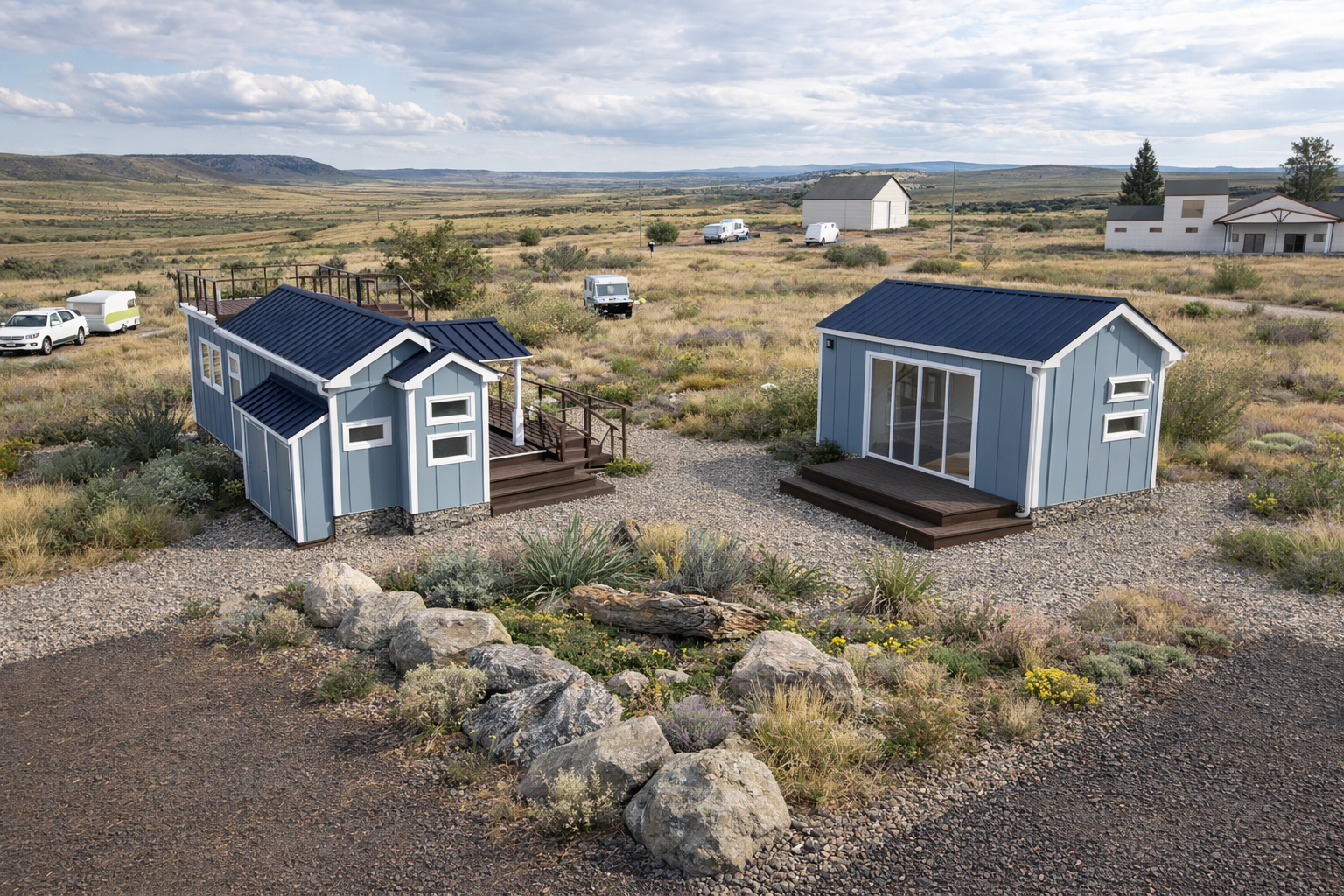
Steel-framed tiny homes are being evaluated for workforce housing, rural housing initiatives, resort expansions, and emergency housing. In these contexts, the homes function as infrastructure components rather than lifestyle statements.
That distinction changes how they are assessed. Performance, repeatability, and lifecycle value become central to the conversation.
Climate Adaptability and Structural Stability
In regions with significant seasonal variation, framing stability influences everything from door alignment to long-term finish performance. Wood expands and contracts with moisture changes, which can lead to minor but cumulative structural shifts.
Steel maintains its shape regardless of humidity or temperature fluctuations. Over time, this consistency helps preserve structural alignment and interior finishes, especially in climates with pronounced seasonal swings.
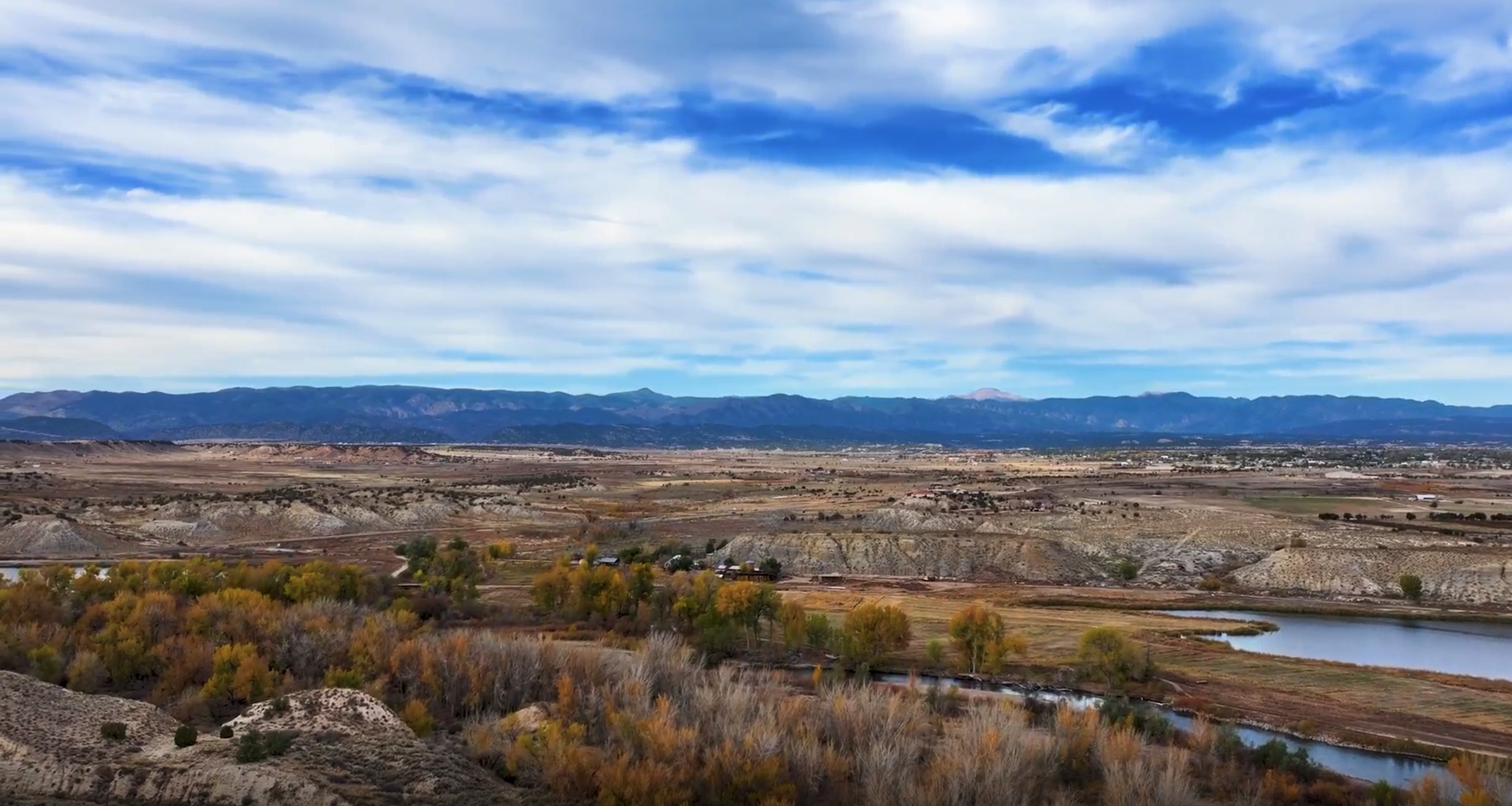
For developments in mountain terrain or high-desert environments, that reliability contributes to lower ongoing adjustment costs.
A More Strategic View of Small-Footprint Housing
The broader shift in tiny home development reflects a larger change in real estate thinking. Compact housing is no longer treated as a temporary or secondary solution. It is being incorporated into long-term development strategies and capital planning.
Steel-framed tiny homes represent one approach to aligning small-footprint design with long-term performance expectations. They offer structural precision, climate resilience, and scalability within a growing segment of the housing market.
For investors, developers, and hospitality leaders evaluating bulk purchasing strategies, the key considerations are durability, maintenance predictability, and consistent production quality.
As demand for alternative housing continues to expand, the conversation is becoming less about novelty and more about performance. In that context, material choice is not just a construction detail. It is a strategic decision that influences how small-footprint housing performs over the life of the asset.
Ready to take the next step?
Explore Partnership Opportunities
Developers, resort operators, and investors interested in bulk steel-framed tiny homes are invited to connect with the Mytikas team. Reach out to discuss deployment strategies, production timelines, and partnership opportunities.